CD4 Hunter
CD4 Hunter Summary
CD4 Hunter is a mobile iOS app in Education by Drexel University. Released in Jun 2017 (9 years ago). It has 17 ratings with a 4.18★ (good) average. Based on AppGoblin estimates, it reaches roughly 9.00 monthly active users . Store metadata: updated Sep 8, 2017.
Store info: Last updated on App Store on Sep 8, 2017 .
4.18★
Ratings: 17
Screenshots
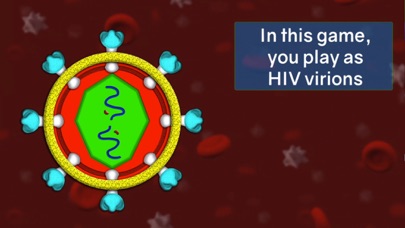
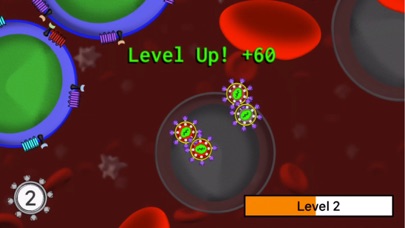
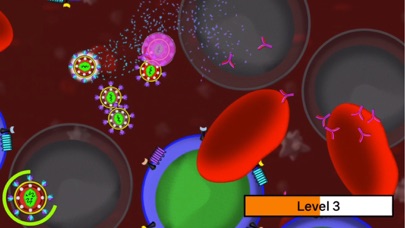
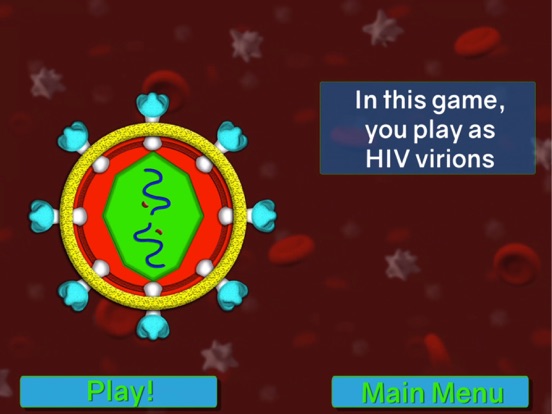
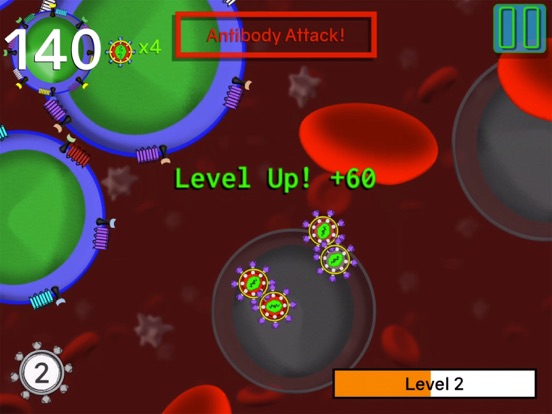
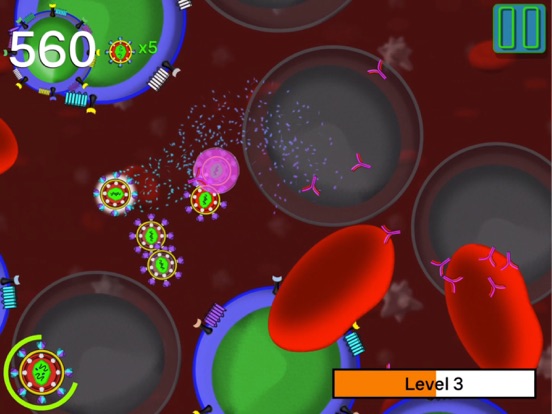
App Description
Search. Attach. Invade. Multiply. Repeat. That’s your goal as an HIV virion, a CD4 Hunter™. How many target cells can you infect before you run out of time?
Stay tuned for more games about other microbes that threaten our health.
Follow us on Twitter: @Drexel_IMMID, #IMMID, #CD4Hunter
Visit our website: www.drexelmed.edu/immid
Game Features:
CD4 Hunter is a fast-paced, educational mini-game in which players take on the role of a human immunodeficiency virus type 1 (HIV-1) virion. By immersing real science within simple game play, users learn about the first step of HIV-1’s fascinating and complex replication cycle: binding and attachment. CD4 Hunter invites players to enter the bloodstream and grow their viral population by infecting specific target cells, while evading the immune system.
Download CD4 Hunter for free to:
• Learn complex science through fast-paced and addictive game play;
• Hunt for target cells in the human bloodstream;
• Control and grow your viral population; and
• Face antibody attacks as the immune system fights infection.
Learning Goals:
CD4 Hunter is the first in a series of mini-games to be developed by the Institute for Molecular Medicine and Infectious Disease at Drexel University College of Medicine, to introduce players to the dynamic world of infectious disease. CD4 Hunter was designed to supplement learning about the multi-stage process of the HIV-1 replication cycle, through interactive gameplay. This app is intended for use in biomedical science curriculum in higher education. Users apply knowledge about the biological processes involved during HIV-1 replication to advance in the game. CD4 Hunter focuses on meeting the following learning objectives:
1. Identify gp120 as a basic element of HIV-1 structure and apply knowledge about its function in the process of viral binding and entry.
2. Identify CD4+ T cells as targets for HIV-1 infection in humans and apply knowledge about their role in viral pathogenesis.
3. Identify and match the molecules on the surface of HIV-1 (i.e., gp120) and T cells (i.e., CD4+ receptor, and CCR5 and CXCR4 co-receptors) involved in viral binding and entry.
4. Apply concepts of viral tropism and immune evasion mechanisms to complete the HIV-1 infection cycle in CD4+ T cells.
Credits:
Executive Producer and Consultant
Brian Wigdahl, PhD
Chair, Department of Microbiology an