PATT

PATT Summary
PATT is a free iOS app in Tools by Federal Railroad Administration. Released in Dec 2018 (7 years ago). It has 4.00 ratings with a 5.00★ (excellent) average. Based on AppGoblin estimates, it reaches roughly 15 monthly active users . Store last updated Jan 19, 2026
PATT SDKs Summary
App not yet scanned for SDKs.
5★
Ratings: 4.00
Screenshots


App Description
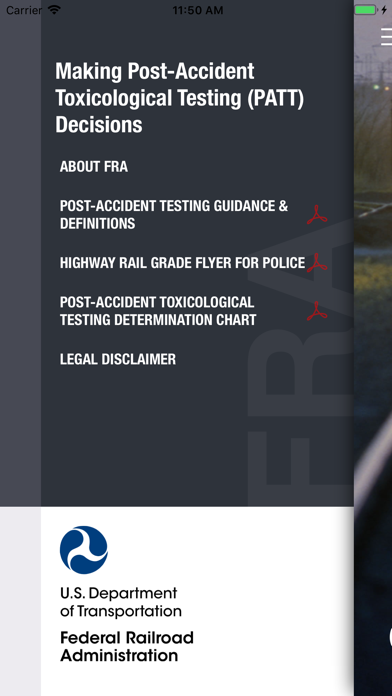
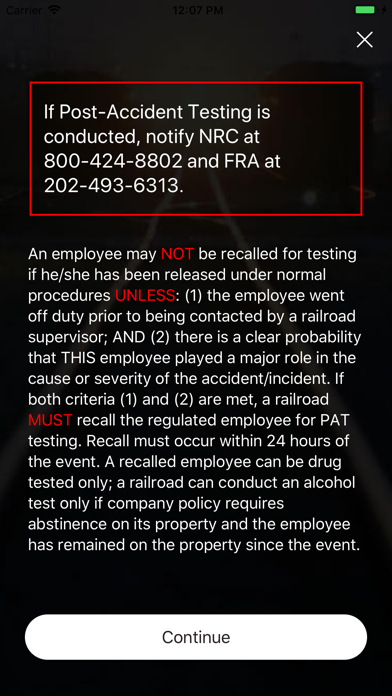
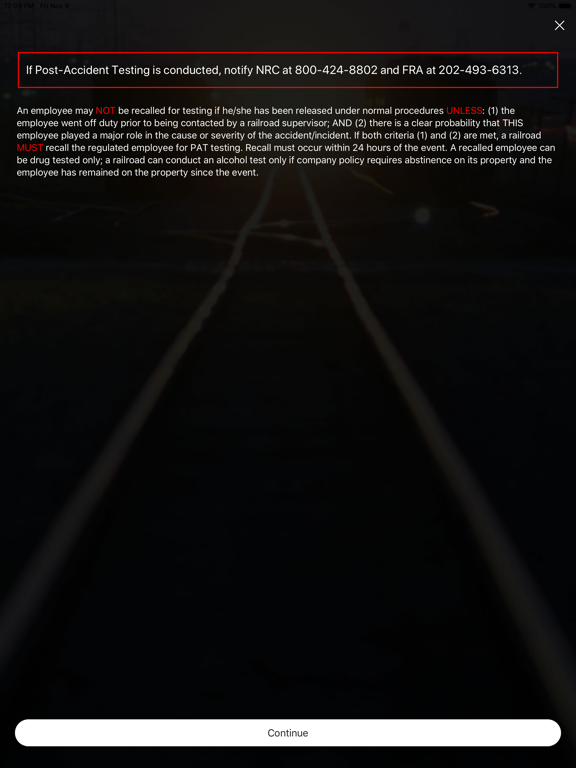
FRA’s 49 CFR Part 219, Control of Alcohol and Drug Use contains requirements for post-accident testing if certain conditions are met. This application is intended to aid railroads and their contractors in determining when a qualifying accident has occurred that requires Part 219 Subpart C testing. The FRA’s post-accident testing program has been the cornerstone the agency’s drug and alcohol testing efforts since 1985 and pre-dates the publication of most of the rest of Part 219 and the USDOT’s testing procedures regulation, 49 CFR Part 40.
Part 219 Subpart C defines the train accident/incident thresholds that require testing. This post-accident testing helps FRA accident investigators determine whether the use of drugs and alcohol by involved railroad employees or contractors may have contributed to the cause or severity of a particular accident. The goal is that each regulated employer (railroad or contractor) is fully prepared to conduct post-accident testing if a rule-triggering event occurs; that the decision to test is made quickly after reasonable inquiry and good faith judgment by an on-site supervisor. Blood and urine collections from surviving employees/contractors must be completed within for (4) hours of the accident with the proper supplies and forms; and blood, urine, and tissue collections from fatally injured personnel must be completed as soon as practicable. In addition, this application is likewise intended to protect employees from inadvertent incursions upon their right-to-privacy represented by tests performed erroneously.