Stations and Way of the Cross

Stations and Way of the Cross Summary
Stations and Way of the Cross is a mobile iOS app in Books And Reference by Piusworks LLC. Released in Mar 2019 (7 years ago). It has 7.00 ratings with a 4.00★ (good) average. Based on AppGoblin estimates, it reaches roughly 15 monthly active users . Store metadata: updated Apr 5, 2020.
Store info: Last updated on App Store on Apr 5, 2020 .
4★
Ratings: 7.00
Screenshots


App Description
Pocket Guide for Stations of the Cross / Way of the Cross
(Via Crucis | Way of Sorrows | Via Dolorosa)
Includes the ff versions:
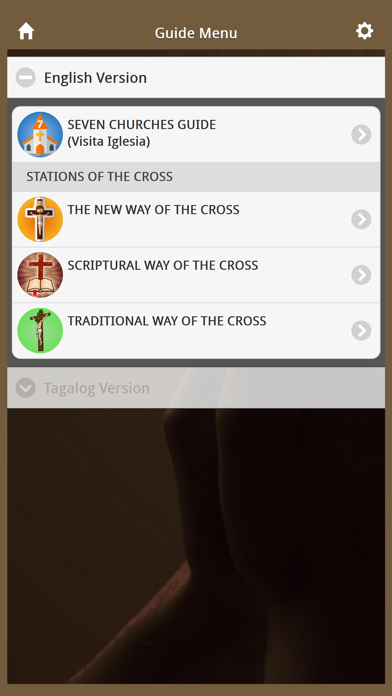
▪ English ▪
► Seven Churches Guide (Visita Iglesia)
► The New Way of the Cross (with audio)
► The Traditional Way of the Cross
► The Scriptural/Biblical Way of the Cross
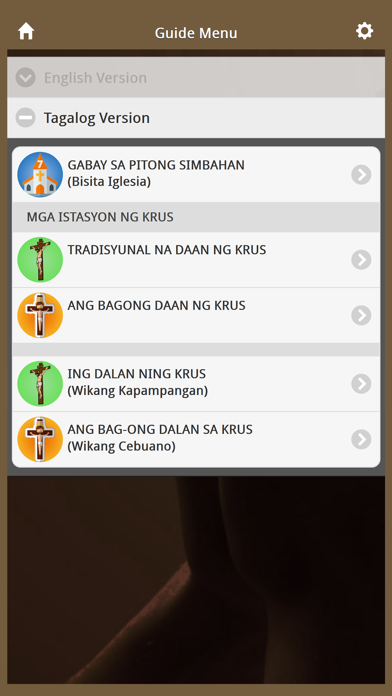
▪ Tagalog ▪
► Gabay sa Pitong Simbahan (Bisita Iglesia)
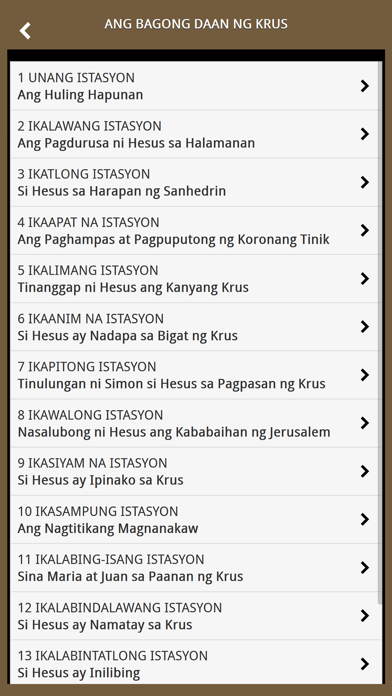
► Bagong Daan ng Krus (with audio)
► Tradisyunal na Daan ng Krus
▪ Cebuano ▪
► Ang Bag-ong Dalan sa Krus
▪ Kapampangan ▪
► Ing Dalan Ning Krus
The celebration of the Stations of the Cross is especially common on the Fridays of Lent, especially Good Friday. Community celebrations are usually accompanied by various songs and prayers. Particularly common as musical accompaniment is the Stabat Mater. At the end of each station the Adoramus Te is sometimes sung. The Alleluia is also sung, except during Lent.
Lent is a special time of prayer, penance, sacrifice and good works in preparation of the celebration of Easter. If you gave something up for the Lord performing spiritual works, like attending the Stations of the Cross, attending Mass, making a weekly holy hour before the Blessed Sacrament, taking time for personal prayer and spiritual reading and most especially making a good confession and receiving sacramental absolution.
Historically Christians meditated on the scenes portraying the Passion narrative as penance. Although the practices may have evolved over the centuries, the focus remains the same: to repent of sin, to renew our faith and to prepare to celebrate joyfully the mysteries of our salvation.
The word Lent itself is derived from the Anglo-Saxon words lencten, meaning "Spring," and lenctentid, which literally means not only "Springtide" but also was the word for "March," the month in which the majority of Lent falls.