CrPC 1973 Hindi

CrPC 1973 Hindi Summary
CrPC 1973 Hindi is a ad-supported iOS app in Education by Mohit Agarwal. Released in Feb 2020 (6 years ago). It has 4.00 ratings with a 4.50★ (excellent) average. Based on AppGoblin estimates, it reaches roughly 4.00 monthly active users and generates around $<10K monthly revenue (0% IAP / 100% ads). Store metadata: updated Jun 11, 2023.
Store info: Last updated on App Store on Jun 11, 2023 .
4.5★
Ratings: 4.00
Screenshots

App Description
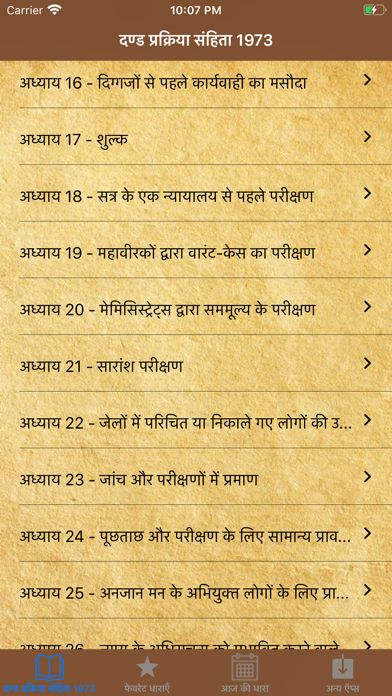
दण्ड प्रक्रिया संहिता, १९७३ (Code of Criminal Procedure, 1973) CrPC भारत में आपराधिक कानून के क्रियान्यवन के लिये मुख्य कानून है। यह सन् १९७३ में पारित हुआ तथा १ अप्रैल १९७४ से लागू हुआ। 'सीआरपीसी' दंड प्रक्रिया संहिता का संक्षिप्त नाम है। जब कोई अपराध किया जाता है तो सदैव दो प्रक्रियाएं होती हैं, जिन्हें पुलिस अपराध की जांच करने में अपनाती है। एक प्रक्रिया पीड़ित के संबंध में और दूसरी आरोपी के संबंध में होती है। सीआरपीसी में इन प्रक्रियाओं का ब्योरा दिया गया है। 'आइपीसी' भारतीय दंड संहिता का संक्षिप्त नाम है।
कुछ प्रकार के मानव व्यवहार ऐसे होते हैं जिसकी कानून इजाजत नहीं देता। ऐसे व्यवहार करने पर किसी व्यक्ति को उनके परिणामों का सामना करना पड़ता है। खराब व्यवहार को अपराध या गुनाह कहते हैं और इसके परिणाम को दंड कहा जाता है। जिन व्यवहारों को अपराध माना जाता है उनके बारे में और हर अपराध से संबंधित दंड के बारे में ब्योरा मुख्यतया आइपीसी में दिया गया है।
जब कोई अपराध किया जाता है, तो सदैव दो प्रक्रियाएं होती हैं, जिन्हें पुलिस अपराध की जांच करने में अपनाती है। एक प्रक्रिया पीड़ित के संबंध में और दूसरी आरोपी के संबंध में होती है। सीआरपीसी में इन दोनों प्रकार की प्रक्रियाओं का ब्योरा दिया गया है।दंड प्रक्रिया संहिता के द्वारा ही अपराधी को दंड दिया जाता है !
The Code of Criminal Procedure (CrPC ) is the main legislation on procedure for administration of substantive criminal law in India. It was enacted in 1973 and came into force on 1 April 1974. It provides the machinery for the investigation of crime, apprehension of suspected criminals, collection of evidence, determination of guilt or innocence of the accused person and the determination of punishment of the guilty. Additionally, it also deals with public nuisance, prevention of offences and maintenance of wife, child and parents.
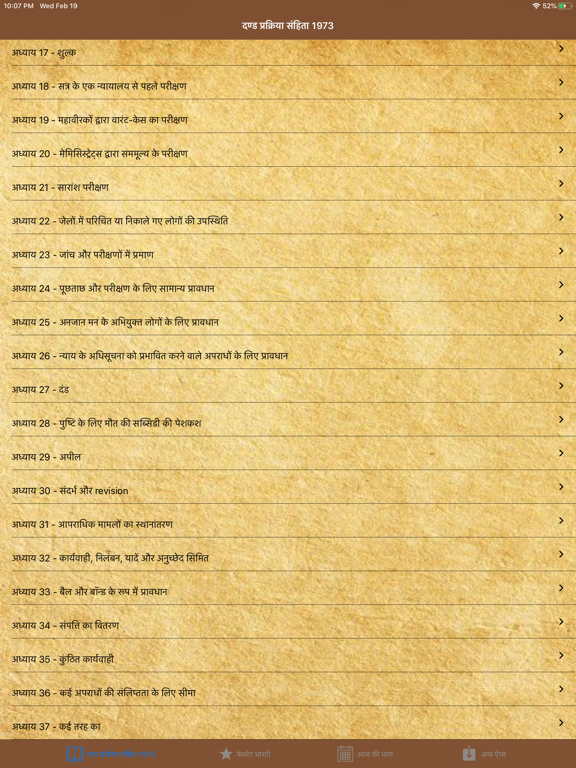
At present, the Act contains 484 Sections, 2 Schedules and 56 Forms. The Sections are divided into 37 Chapters.