Jagannath Puri - Rath Yatra


Jagannath Puri - Rath Yatra Summary
Jagannath Puri - Rath Yatra is a ad-supported Android app in Personalization by Nested Photo Frame Design Studio. Released in Apr 2024 (1 year ago). It has about 5.7K+ installs Based on AppGoblin estimates, it reaches roughly 258 monthly active users and generates around $<10K monthly revenue (0% IAP / 100% ads). Store metadata: updated Dec 23, 2025.
Recent activity: 204 installs this week (226 over 4 weeks) showing exceptional growth View trends →
Store info: Last updated on Google Play on Dec 23, 2025 .
0★
Ratings: 0
Screenshots

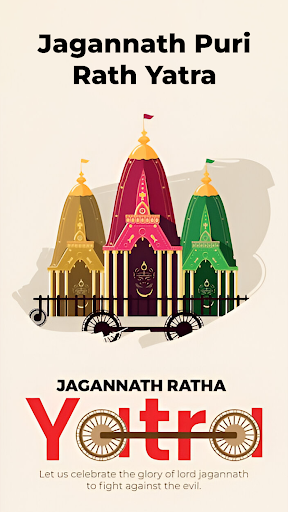

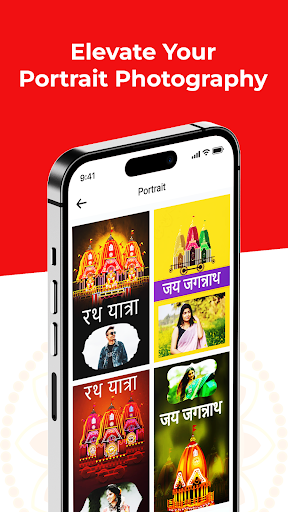
App Description
Jagannath Puri Temple is famous for its annual Ratha Yatra
-Select Any View Of Frame
-Choose Any Frame Do You Like
-Select Your Image For Edit
-Edit Your Image, Try Different Frames, Add Stickers, Add Filters, Add Your Personalization Text And Save Image.
-Share Your Saved Photo In Different Social Media Platforms.
-In My Creation Check Your All Created Images.
- The Jagannath Temple is an important Hindu temple dedicated to Jagannath.
It is located in Puri in the state of Odisha, situated on the eastern coast of India.
- The temple is famous for its annual Ratha Yatra, or chariot festival,
in which the three principal deities are pulled on huge and elaborately decorated raths, or temple cars.
The temple is one of the Char Dham pilgrimage sites.
- The temple was rebuilt by the King of the Eastern Ganga dynasty, Anantavarman Chodaganga,
in the 10th century CE, as described by the Kendupatna copper-plate inscription of his descendant, Narasimhadeva II.
- According to a story in the temple chronicles, it was founded by Anangabhimadeva II.
Different chronicles variously mention the year of construction as 1196, 1197, 1205, 1216, or 1226.