mobile components in english


mobile components in english Summary
mobile components in english is a ad-supported Android app in Education by RAJAT KUMAR SINGH. Released in Apr 2024 (2 years ago). It has about 2.4K+ installs Based on AppGoblin estimates, it reaches roughly 63 monthly active users and generates around $<10K monthly revenue (0% IAP / 100% ads). Store metadata: updated Sep 10, 2025.
Store info: Last updated on Google Play on Sep 10, 2025 .
0★
Ratings: 0
Screenshots


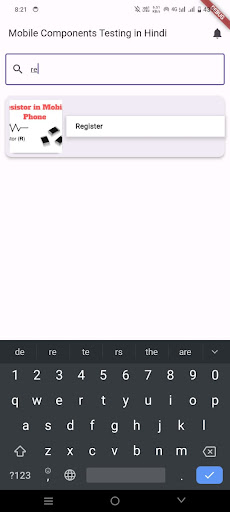
App Description
Mobile Components in an English Learning App.
Introduction:
An English learning app is a comprehensive tool designed to facilitate language acquisition through mobile devices. The app integrates various components, each serving a specific purpose to enhance the user's learning experience. Below is a detailed description of these components:
1. Vocabulary Builder:
The Vocabulary Builder component is designed to expand the user's lexicon by introducing new words, phrases, and expressions. It provides interactive exercises such as flashcards, quizzes, and word games to reinforce memorization and understanding.
2. Grammar Guide:
The Grammar Guide component serves as a reference tool for understanding English grammar rules and structures. It covers topics such as verb conjugation, sentence formation, tenses, and punctuation. Users can access explanations, examples, and exercises to improve their grammatical proficiency.
3. Reading Comprehension:
The Reading Comprehension component offers a collection of articles, essays, stories, and news updates in English. Users can practice reading comprehension skills by engaging with diverse texts of varying difficulty levels. Comprehension questions and activities are provided to assess understanding and promote critical thinking.
4. Listening Practice:
The Listening Practice component focuses on enhancing listening comprehension skills through audio recordings, podcasts, and dialogues. Users can listen to native speakers conversing in English and participate in listening exercises to improve their ability to understand spoken language in different contexts.
5. Speaking Practice:
The Speaking Practice component enables users to develop oral communication skills by engaging in speaking exercises and interactive conversations. It may include features such as speech recognition technology, pronunciation guides, and speaking prompts to encourage fluency and accuracy in spoken English.
6. Writing Exercises:
The Writing Exercises component offers opportunities for users to practice writing skills through prompts, essays, emails, and creative writing tasks. It provides feedback on grammar, vocabulary usage, and overall writing proficiency to help users refine their writing abilities.
7. Progress Tracking:
The Progress Tracking component allows users to monitor their learning journey and track their performance over time. It provides insights into